The Things We Keep Close
Some of the most useful things in our lives are the ones that never quite make it back into a drawer.
They live beside the bed, at the bottom of a bag, in a coat pocket, or within easy reach on a desk.
Not because they are especially beautiful or impressive, but because they have earned their place.
They help us begin the day, get through a difficult afternoon, or make the small inconveniences of daily life a little easier.
They simply stay close.
Objects That Earn Their Place
A good everyday object becomes part of a personal system.
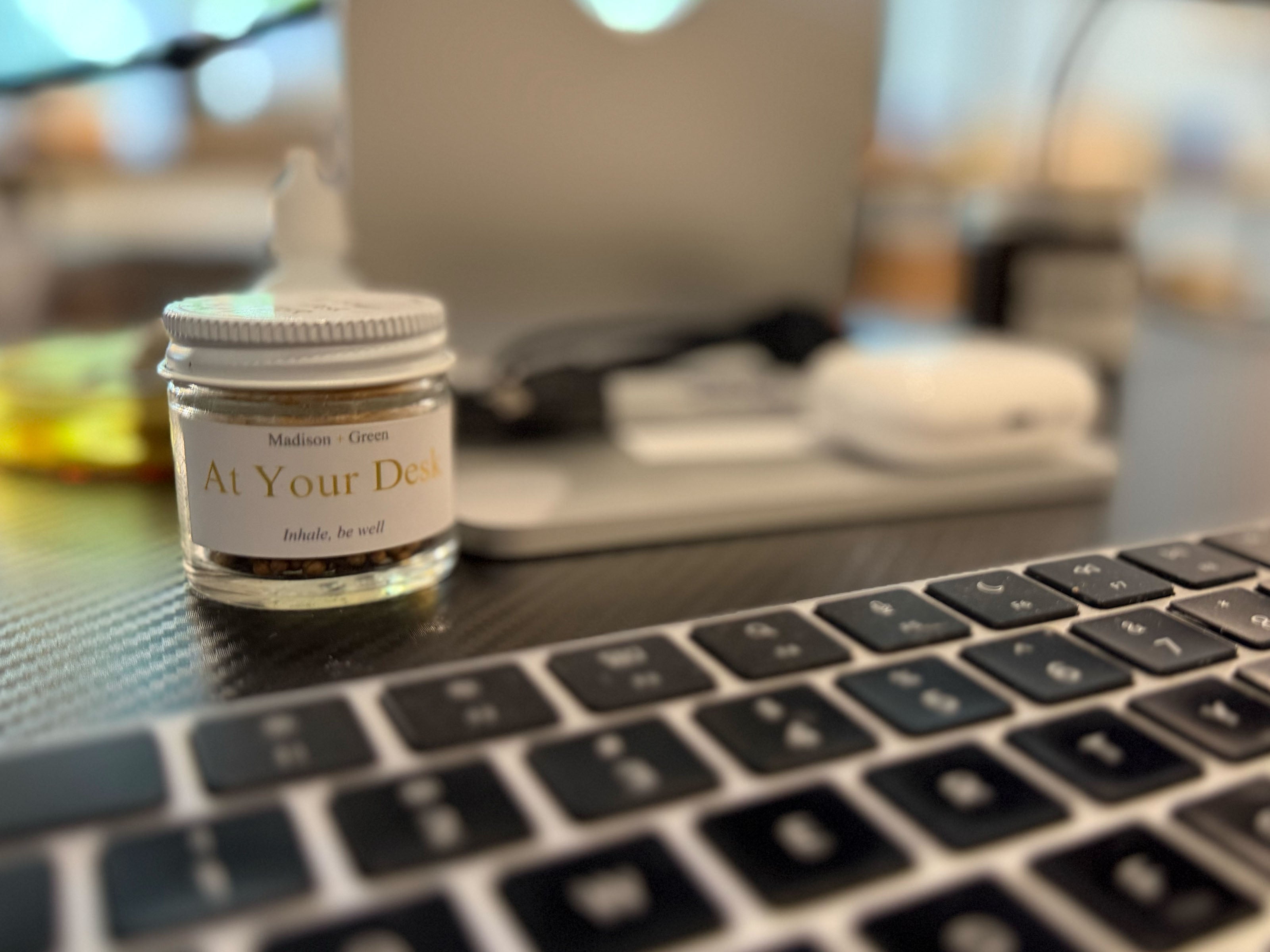
An aromatherapy inhaler for a crowded train, a long day at work, or the quiet moments before bed.
A pen you reach for without thinking.
Lip balm that has survived the wash more than once.
A notebook for lists, ideas, and passing thoughts.
These are not usually the objects we talk about most. They are too ordinary for that.
But usefulness becomes familiar, and familiarity becomes a kind of attachment.
Small Comforts, Repeated Often
The things we keep near us tend to do small jobs.
They make a moment easier.
They offer a little pause.
They save us from having to look for something when we need it.
Because they are used often, their details matter.
The cap that opens easily with one hand.
The size that fits in a pocket.
The texture that feels right without asking for attention.
The scent that quietly changes the atmosphere of a room.
None of these things is dramatic. Together, they make daily life feel a little more considered.
A Personal Collection
Everyone carries a slightly different set of essentials.
Some are practical. Some are sentimental. Some are difficult to explain.
That is part of their appeal.
They are not chosen for display. They are chosen because, at some point, they proved useful—and then kept proving it.
Over time, these small things begin to tell a quiet story about the life around them: what we anticipate, what we value, and what helps us feel more like ourselves.
Everyday, by Design
At Oddment, we are interested in the things that become more useful with familiarity.
Not objects that demand attention, but ones that make room for the rest of life.
The things we keep close are often modest.
But they are there when we need them.
And sometimes, that is more than enough.

Written by O D D M E N T Admin